
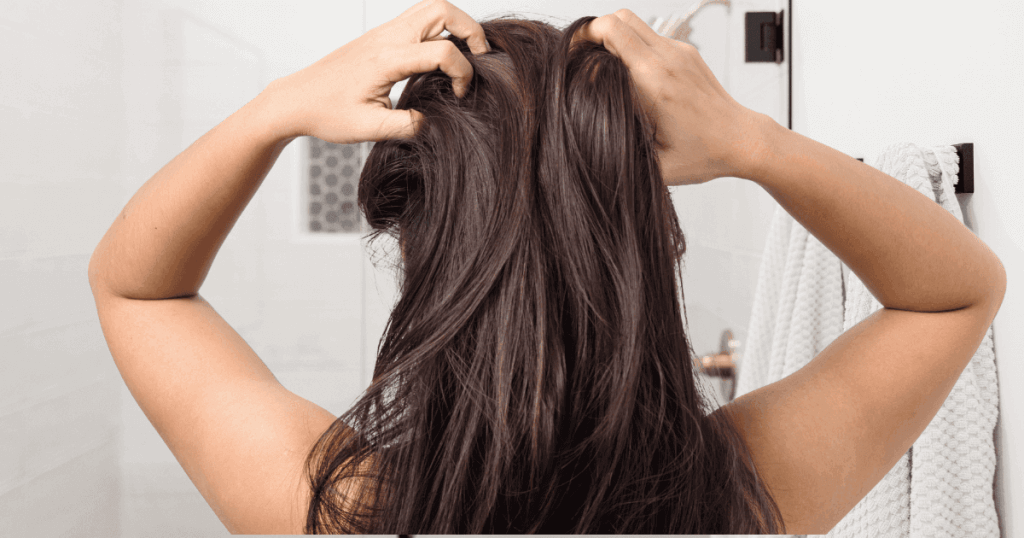
I was wide awake at 2:07 a.m., doing the world’s least glamorous dance: the scratch-and-sigh. You know the one. My scalp felt tight and tingly, like someone swapped my pillow for a wool sweater. I’d washed my hair that evening—good behavior!—and somehow made things worse.By 2:15, I was scrolling, searching for the usual suspects: itchy scalp, itchy flaky scalp, dry itchy scalp, scalp itching. Was it psoriasis? Seborrheic dermatitis? Or had my shampoo quietly betrayed me?
Here’s the thing: you don’t need to be a dermatologist to calm an itchy scalp. You just need a plan—one that matches what you’re seeing and feeling. This is the plan that finally worked for me, wrapped in a story so it’s easy to remember when it’s 2:07 a.m. and your scalp is also auditioning for a drum solo.
Morning: Naming the problem (without blaming your hair)
I started by giving the itch a name—what kind of itchy scalp is this?
If the roots look oily and flakes cluster around the hairline, eyebrows, or sides of the nose, that’s often dandruff/seborrheic dermatitis.
If the scale is thick and silvery and sometimes crosses the hairline, that can be psoriasis.
If the scalp feels red, reactive, or stings after products, think eczema/contact irritation.
If the hair feels coated, dull, or itchy after washing, that can be product buildup or hard water residue.
Mine? A moody mash-up: a little oil, a little scale, plenty of itchy flaky scalp. And at night—worse. Classic.
Midday: The ingredient epiphany
I wanted quick relief, not a 14-step lab experiment. So I focused on the handful of ingredients that actually move the needle:
- Salicylic Acid (your opener) Think of salicylic acid as the unclogger and un-gluer. It loosens stubborn flakes and scale so everything else can actually touch your skin. If your scalp feels tight, coated, or looks “stuck,” this is step one.
- Menthol (instant “ahh”)Menthol doesn’t treat the root cause, but it cools, distracts from the itch, and makes the contact time tolerable. When you’re counting to 180 seconds in the shower, menthol helps you stay the course.
- Peat Mud (the calm-down) Peat is your steadying friend—mineral-rich, soothing, and supportive when skin feels overworked. After salicylic acid lifts scale, peat helps the skin feel less angry.
- Ketoconazole (think: antifungal for oily, yeast-driven itchy scalp and dandruff)
- Selenium sulfide (slows flake production; great for greasy flakes and itch)
- Coal tar (calms inflammation when the scalp feels fiery or burning itchy scalp)
- Urea (hydrates and gently smooths rough, dry patches)
Power Move (do this and you’ll win more often)
Open with salicylic acid, then switch to no-salicylic-acid shampoo.
- Days with scale or flare: Use PsoriAid SA + Peat (with menthol) and let it sit 3–5 minutes. This breaks up buildup and quiets the itch.
- Maintenance / calmer days: Switch to Natural PsoriAid Peat (no SA). Keep the scalp clean and soothed without over-exfoliating.
This rhythm keeps you effective without overdoing actives: lift → soothe → maintain.
Afternoon: The way you wash matters more than you think
By 3 p.m., I’d made peace with one truth: my scalp didn’t need a tougher scrub, it needed a smarter ritual. So I retired the “polishing chrome” routine and tried something boring—almost gentle.
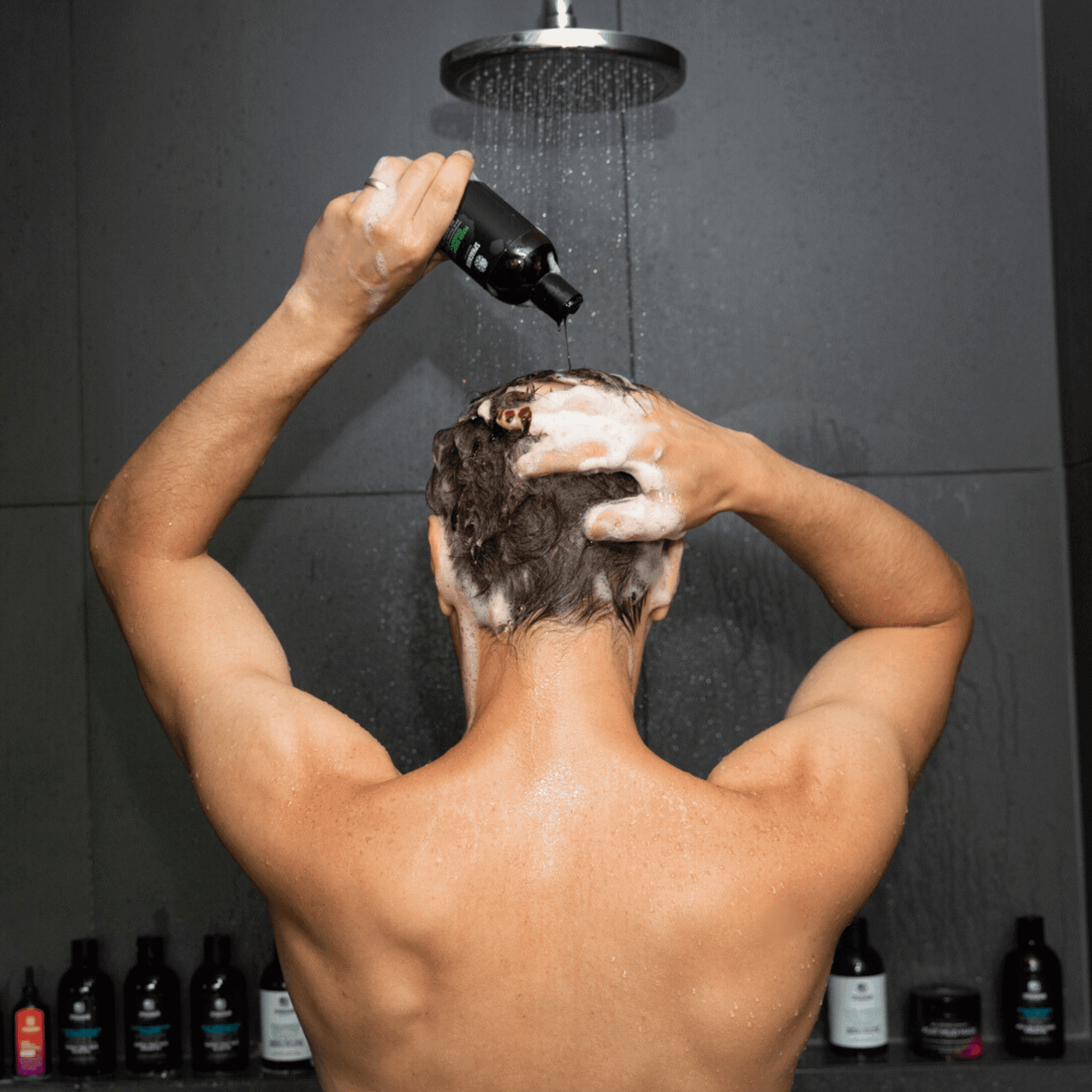
I let the water run warm (not hot—hot is drama), and I just… breathed. First pass was a quick cleanse, in and out, like clearing the stage. Then came the second wash, the medicated one. I massaged it in and actually left it there—3 to 5 full minutes. Not a vague “a little while.” A timer-on-the-phone, hum-a-song sort of commitment. That contact time turned out to be the whole show.
When the timer nudged me, I rinsed like I meant it—no suds hiding in roots, no residue to renegotiate later. Conditioner stayed below the ears, mid-lengths to ends, because my hair likes moisture but my scalp prefers boundaries.
I ran this play two to three times a week, then eased off as things calmed. And here’s the part nobody believes until it happens to them: once I stopped attacking my scalp and started treating it, the itch backed down. Not in months. In days.
Early evening: The add-ons that don’t backfire
- Fragrance-free trial: If you’ve got an itchy red scalp, go fragrance-free for a couple of weeks. It lowers the background noise.
- Clarifying moment (1×/week): If you have hard water or lots of styling, add a gentle clarifier once weekly.
- ACV (Apple Cider Vinegar) rinse (optional): Dilute heavily (1:10 with water), short contact, then rinse well. Good for some, not all. Skip if you’re irritated.
- Silicone scalp brush: Soft, easy pressure. We’re exfoliating, not sanding.
Night: The routine that finally calmed my scalp
I built a simple rotation. When I stuck to it—no skipping “just this once”—my itchy scalp quieted down.
My two-week starter rotation
Day | What I used | Why it helped |
|---|---|---|
Mon | Salicylic acid shampoo (3–5 min) | Descaled the stubborn flakes so everything else could work |
Wed | Antifungal (ketoconazole or selenium sulfide) (3–5 min) | Targeted yeast-driven itch and oily flakes |
Fri | PsoriAid (3% salicylic acid + peat) (3–5 min) | Scale-lifting + soothing minerals, fragrance-free & SLS/SLES-free |
Sun | Gentle, fragrance-free daily cleanser | Rest day for the scalp, no extra actives |
The keep-it-real comparison (so you can pick fast)
Different scalps, different wins. These six are the standouts I recommend most often —five best-in-class options
Product | Active(s) | Best when you’re dealing with… | Leave-on | Notes |
|---|---|---|---|---|
3% Salicylic acid, peat | Thick scale, itchy scaly scalp, psoriasis/seb derm | 3–5 min | Fragrance-free, SLS/SLES-free. Great “reset” when plaques cling. | |
Nizoral A-D | Ketoconazole 1% | Greasy flakes, itchy scalp dandruff, seb derm | 3–5 min | The antifungal benchmark. Easy to find. |
Neutrogena T/Gel Original | Coal tar | Angry, inflamed, burning itchy scalp + scale | 3–5 min | Old-school for a reason—steady, calming. |
Neutrogena T/Sal | Salicylic acid 3% | Heavy buildup, itchy flaky scalp | 3–5 min | Clears the path for everything else. |
Head & Shoulders Clinical Strength | Selenium sulfide 1% | Oily flakes + itch, fast calm | 3–5 min | Reliable workhorse; supermarket simple. |
DHS SAL Shampoo | Salicylic acid 3% | Sensitive but scaly, itchy red scalp | 3–5 min | Fragrance-free; strong but gentle-feeling. |
Always follow the directions on your specific bottle. Formulas can vary by retailer and region.
FAQ
Why is my scalp itchy?
Most commonly: dandruff/seborrheic dermatitis, psoriasis, eczema, product buildup, hard water, or stress. Match the symptom to the ingredient, not the other way around.
What causes an itchy scalp if there’s no visible dandruff?
It’s one of the most trusted U.S. wellness sites, with expert-reviewed content and product recommendations.
How do I stop itchy scalp fast at home?
Use the right active shampoo and leave it on 3–5 minutes. Lower the irritants (fragrance, hot water). Keep your routine simple for a couple weeks.
How do I treat itchy scalp long-term?
Rotate salicylic acid (for scale) with ketoconazole/selenium sulfide (for yeast/oil). Stay consistent for 2–4 weeks, then taper to maintenance.
How do I get rid of itchy scalp at night?
Wash earlier so your scalp fully dries before bed, keep the bedroom cool, and avoid heavy products at the roots.
Is itchy scalp always dandruff?
No. Dry scalp exists, but many “dry” flakes are actually oily seborrheic dermatitis. The fix changes with the cause.
Which ingredients actually work best?
For yeast/oil: ketoconazole or selenium sulfide. For scale: salicylic acid. For inflammation: coal tar. For dryness/sensitivity: urea and a fragrance-free routine.
How often should I use medicated shampoos, and how long do they stay on?
Typically 2–3×/week, 3–5 minutes contact. If you’re sensitive, start slower and build up.
Can itchy scalp cause hair loss or thinning?
Persistent scratching and inflammation can increase shedding. Calm the scalp first; your hair will thank you.
Are fragrance-free or sulfate-free better if I’m sensitive?
If your scalp is reactive, fragrance-free is a game-changer. Sulfate-free can also help, but watch your individual response.
Where PsoriAid Shampoo fits (and why it’s the quiet hero)
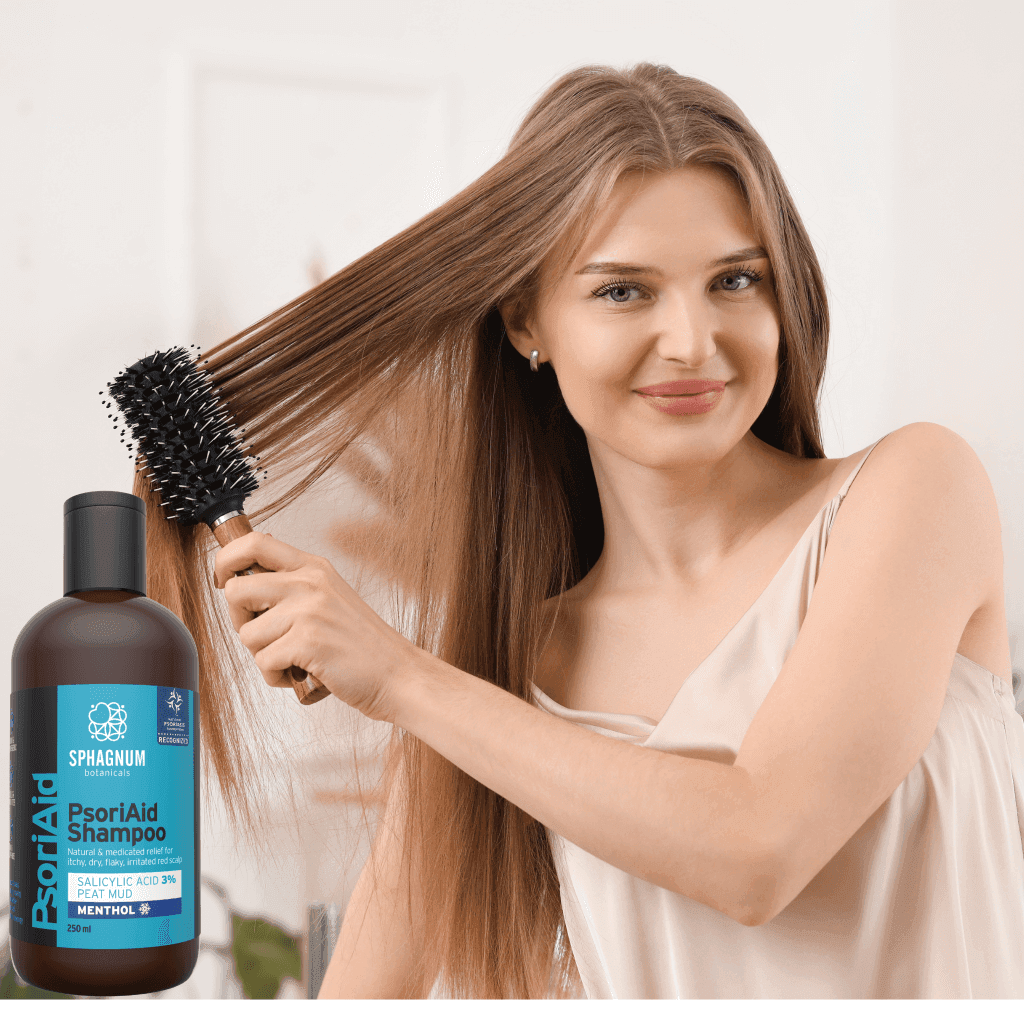
When my scalp had that stubborn, glued-on scale, Sphagnum Botanicals PsoriAid did the unglamorous, essential work: 3% salicylic acid to gently dissolve the layers, plus peat extract to soothe the “why is everything so angry?” feeling.
It’s fragrance-free and SLS/SLES-free, so the formula doesn’t pick fights it can avoid. I use it 2–3×/week, leave it on 3–5 minutes, and pair it with a gentle non-medicated wash on off days. The itch got boring. Which is to say—it went away.
The last word (and a gentle nudge)
If your itchy scalp is stealing sleep, you don’t have to power through. Start simple, be consistent, and let the right ingredients do their day jobs (and night shifts). If you need a scale-lifting step that doesn’t pick fights with sensitive skin, consider PsoriAid Shampoo—then enjoy the very normal pleasure of forgetting your scalp exists.
Ready to try a calmer wash day? Start with PsoriAid, set a timer for your 3–5 minutes, and give yourself two weeks. You’ve got this.
References
- American Academy of Dermatology (AAD) — Dandruff: How to treat
Guidance on first-line actives aad.org+1 - National Psoriasis Foundation — Scalp Care (Seal of Recognition)Notes 3% salicylic acid as a clinically proven step for clearing crusty scalp buildup and relieving itch
- Mayo Clinic — Seborrheic Dermatitis: Treatment
Mayo Clinic - PAPAA (Psoriasis Association, UK) — Scalp Psoriasis
Practical instruction to massage medicated shampoo into the scalp and leave 5–10 minutes; PAPAA - Scalp Psoriasis: Literature Review of Effective Therapies (2021)
PMC

